

Webtum Software Corp
Welcome to Webtum Software Corp, where our commitment to
excellence is evidenced by our completed projects. We invite you
to explore our project page, where you'll find a diverse
portfolio showcasing our expertise in developing cutting-edge
software solutions for mobile applications and web services.
From seamless big data management to real-time IoT data
dashboards, each project exemplifies our dedication to
innovation and client success. Dive in and witness firsthand the
quality and impact of our work, and let our success stories
inspire your next digital endeavor.
What Technology do webtum software use?
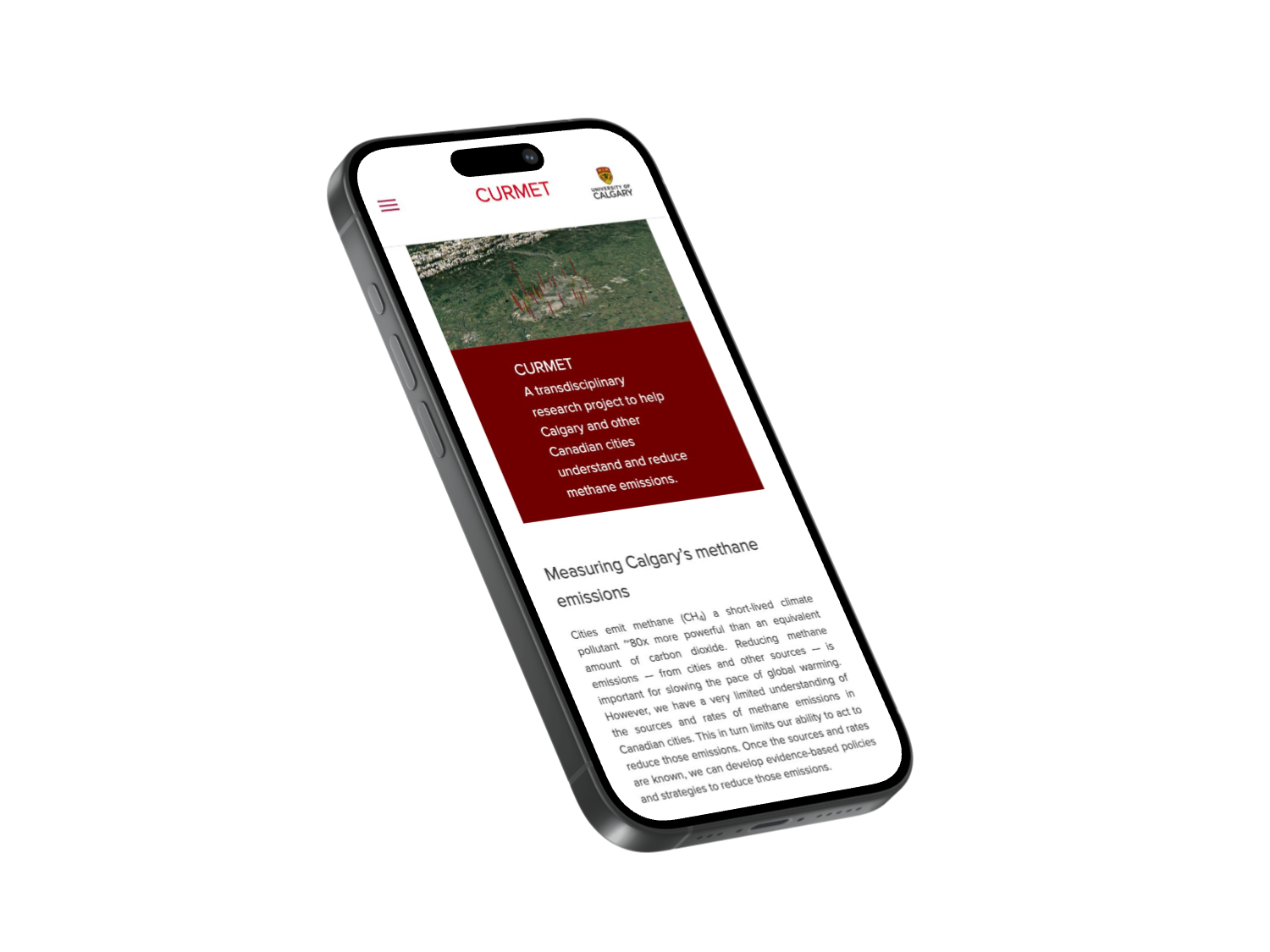
Front-end page
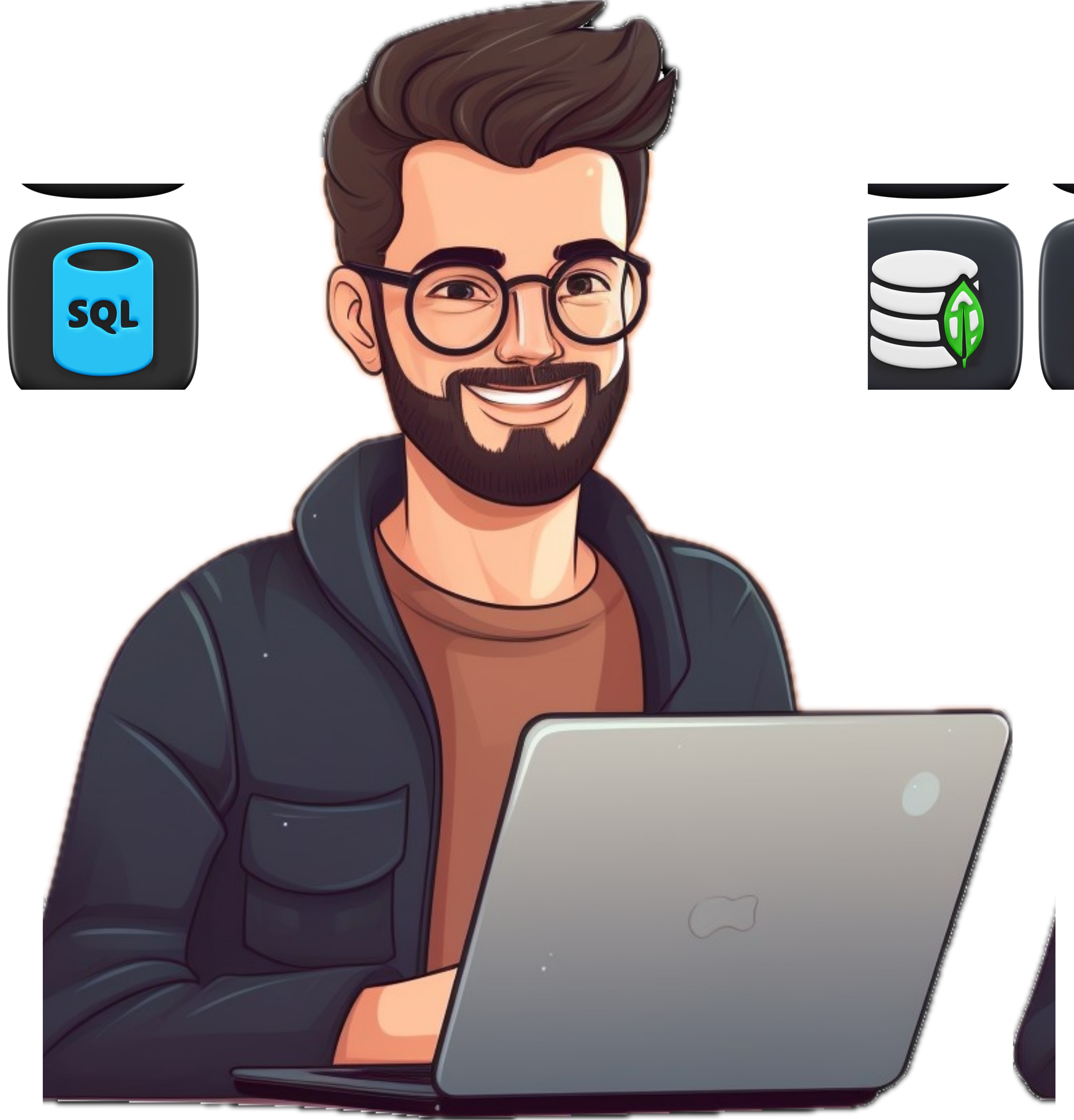
Front-end refers to the user interface (UI) and user experience (UX) part of a website or application. In this section, technologies such as HTML, CSS, and JavaScript are used to design and implement web pages and site components. By using these technologies, you can create a visually appealing and engaging look for your website and improve the user experience. Additionally, front-end development usually involves the use of frameworks such as React or AngularJS which make it easier and more efficient to develop the front-end part of a website.
Read more
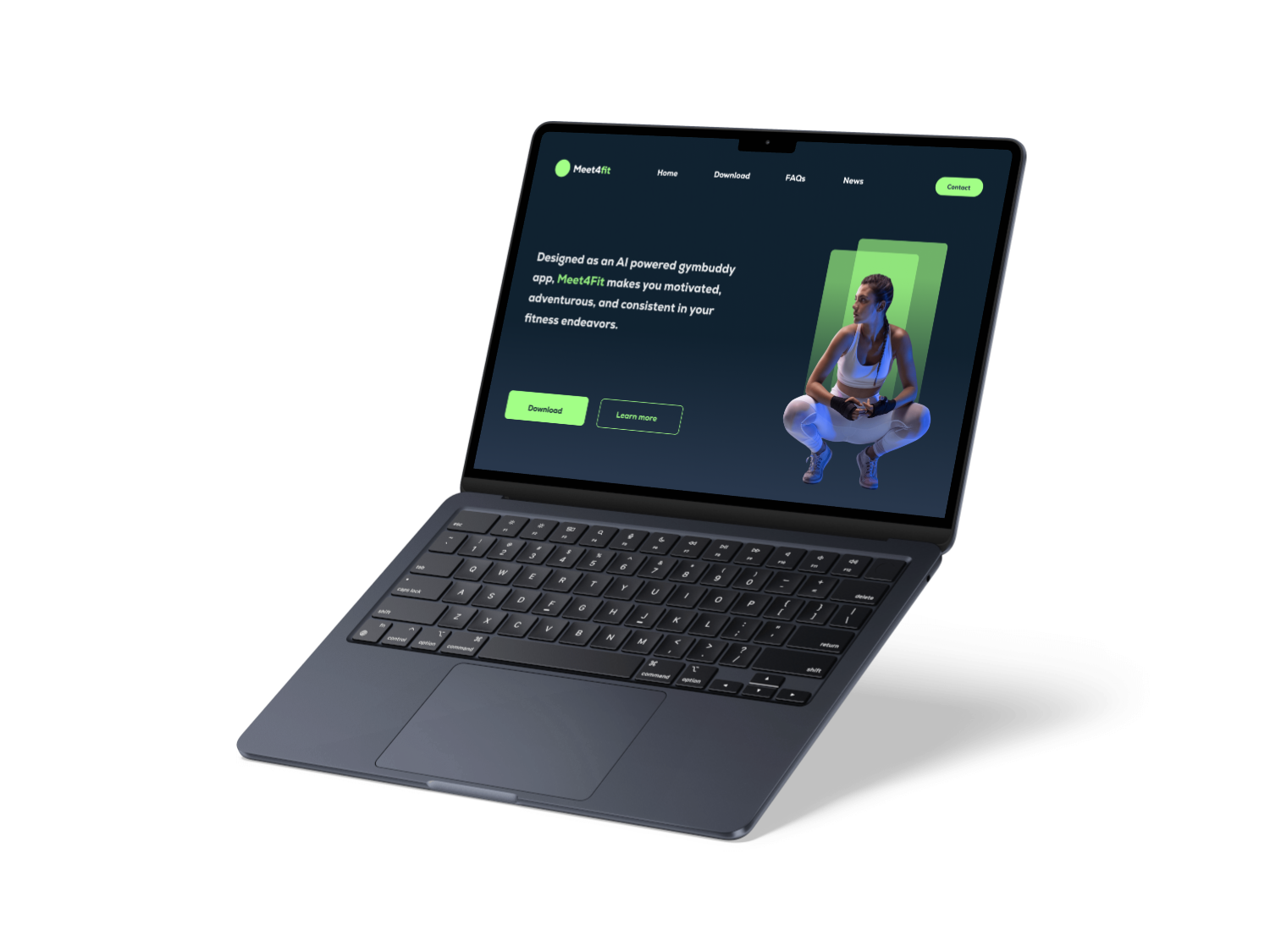


Front-end page
Front-end refers to the user interface (UI) and user experience (UX) part of a website or application. In this section, technologies such as HTML, CSS, and JavaScript are used to design and implement web pages and site components. By using these technologies, you can create a visually appealing and engaging look for your website and improve the user experience. Additionally, front-end development usually involves the use of frameworks such as React or AngularJS which make it easier and more efficient to develop the front-end part of a website.
Read more
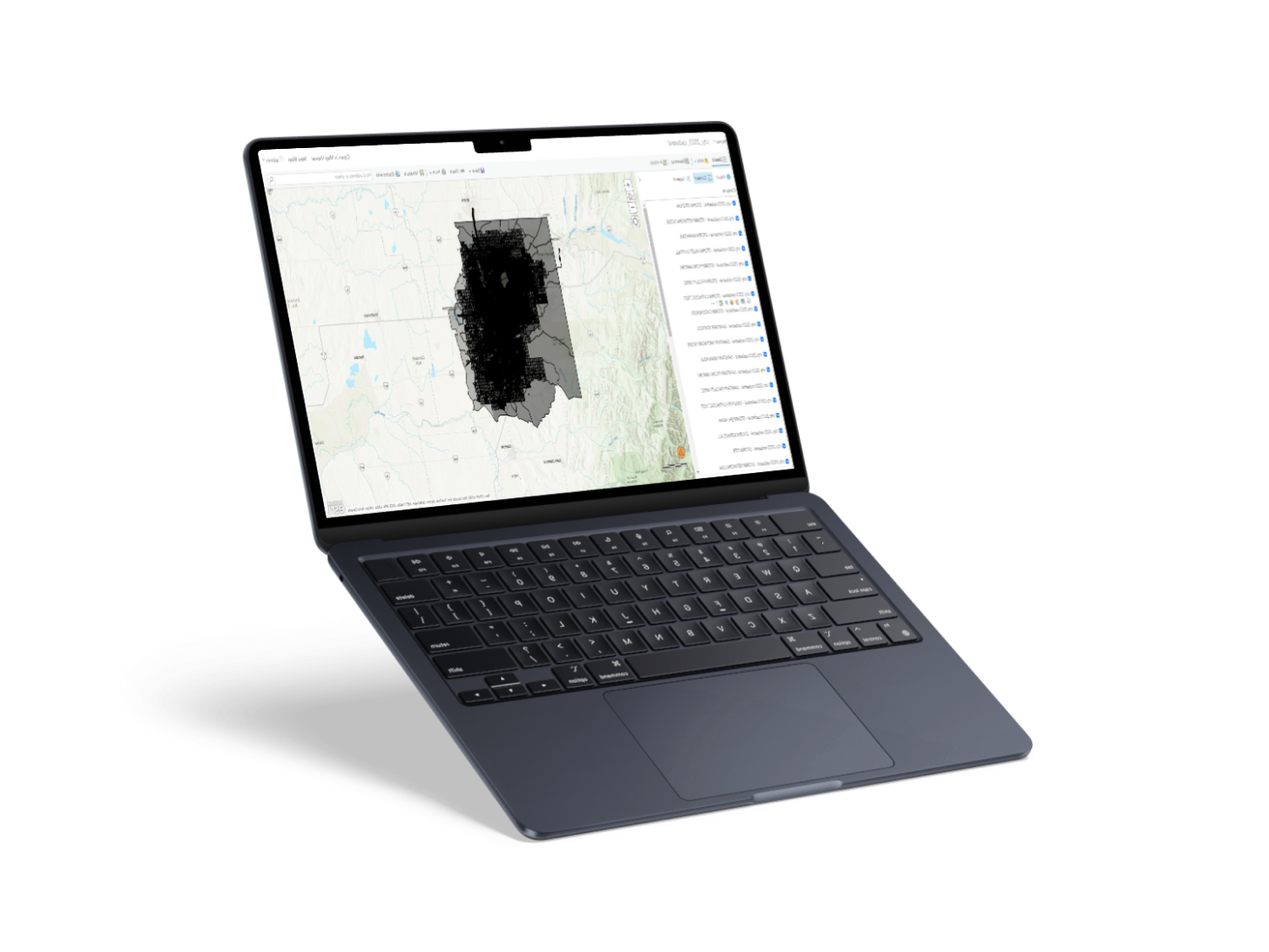
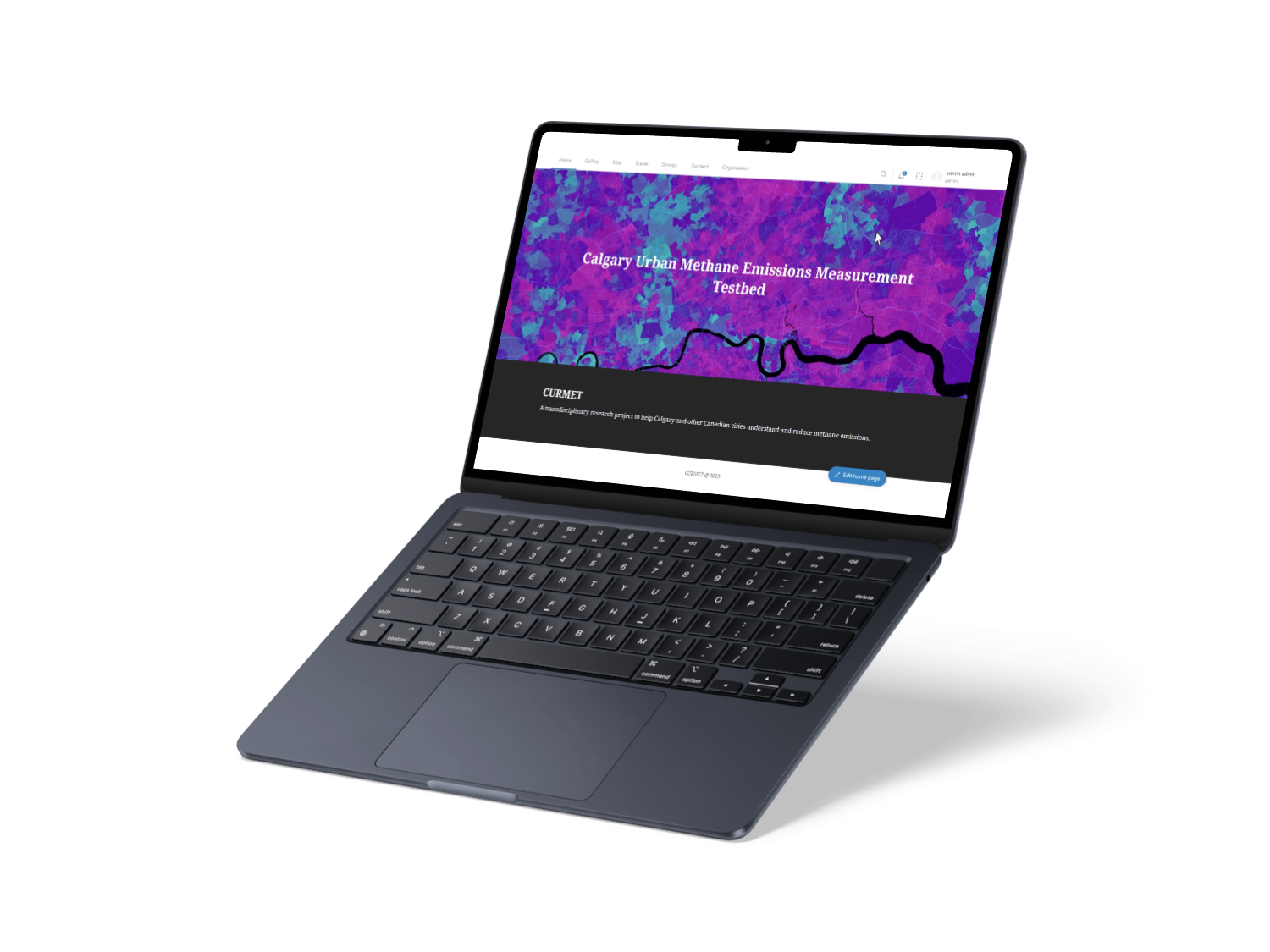

Back-end page
Back-end refers to the part of a website or application that deals with server-side programming and database management. It is responsible for processing data, managing user authentication and authorization, and handling server requests and responses. Back-end technologies typically include server-side programming languages like PHP, Java, Python, or Ruby, as well as frameworks such as Node.js, Django, Laravel, or Ruby on Rails. These technologies allow developers to build scalable and robust web applications with complex functionality. In addition to server-side programming, back-end development also involves working with databases like MySQL, MongoDB, or PostgreSQL to manage and store data. Back-end developers need to have strong problem-solving skills and a solid understanding of software architecture, server administration, and security to ensure that their applications are secure, efficient, and reliable.
Read more
Mobile
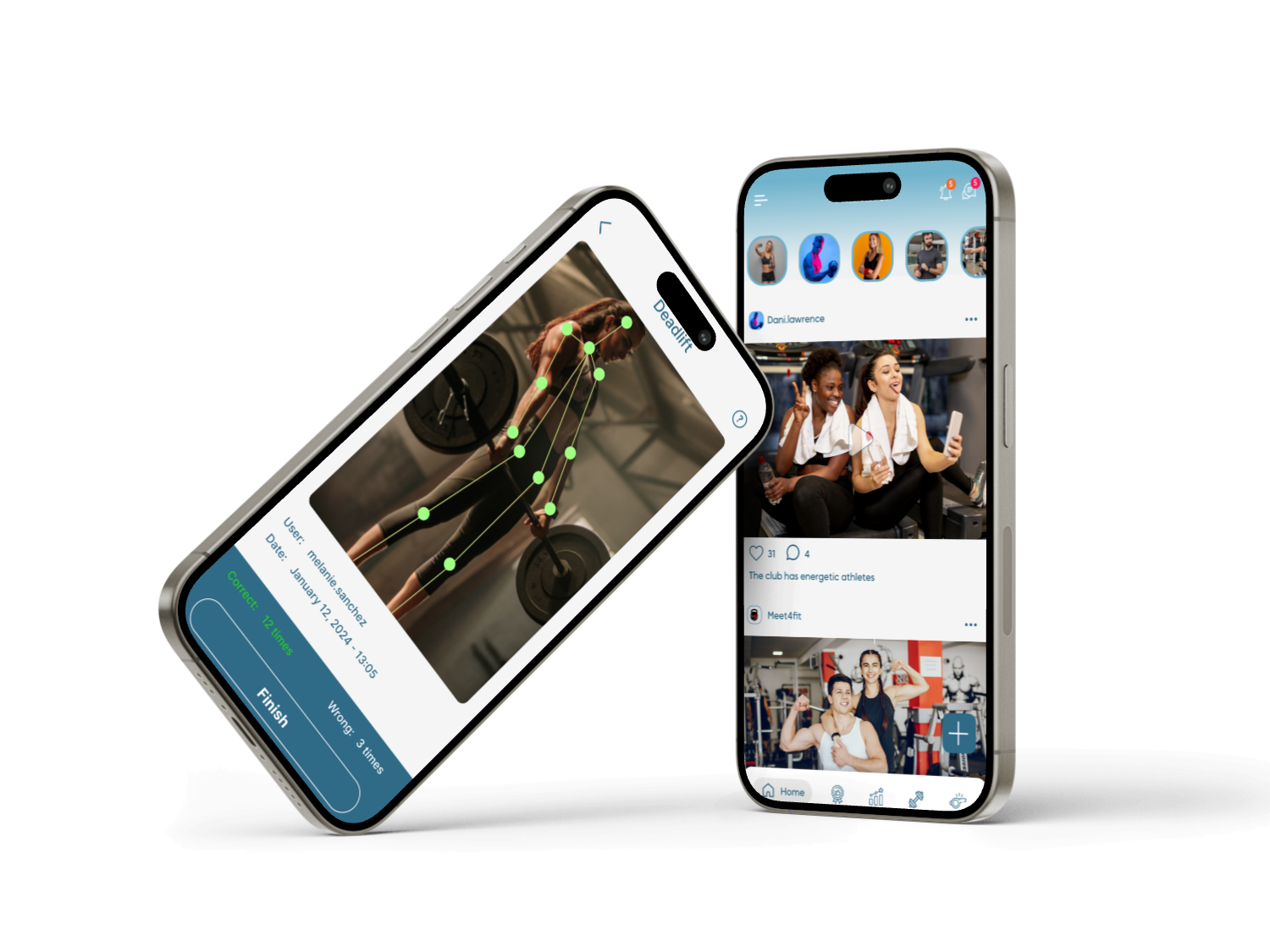
Mobile development refers to the process of creating mobile applications that run on mobile devices like smartphones and tablets. There are two main approaches to mobile development: native app development and hybrid app development. Native app development involves building mobile apps for specific operating systems like iOS or Android using programming languages such as Swift or Java/Kotlin. These apps are designed to be fast, responsive, and provide a seamless user experience. Native apps can also access device-specific features, such as GPS, camera, and microphone, providing more functionality to users. Hybrid app development, on the other hand, involves building mobile apps using web technologies like HTML, CSS, and JavaScript, which can be used across multiple platforms. These apps are wrapped in a native container which allows them to be distributed through app stores like Google Play or Apple App Store. Hybrid apps can offer a faster development cycle and lower costs compared to native apps, but they may not provide the same level of performance or functionality as a native app. Mobile development requires a strong understanding of mobile app design principles, user experience, and mobile software architecture. Developers need to consider factors such as screen size, device compatibility, and network connectivity when designing and developing mobile apps.
Read more

Mobile
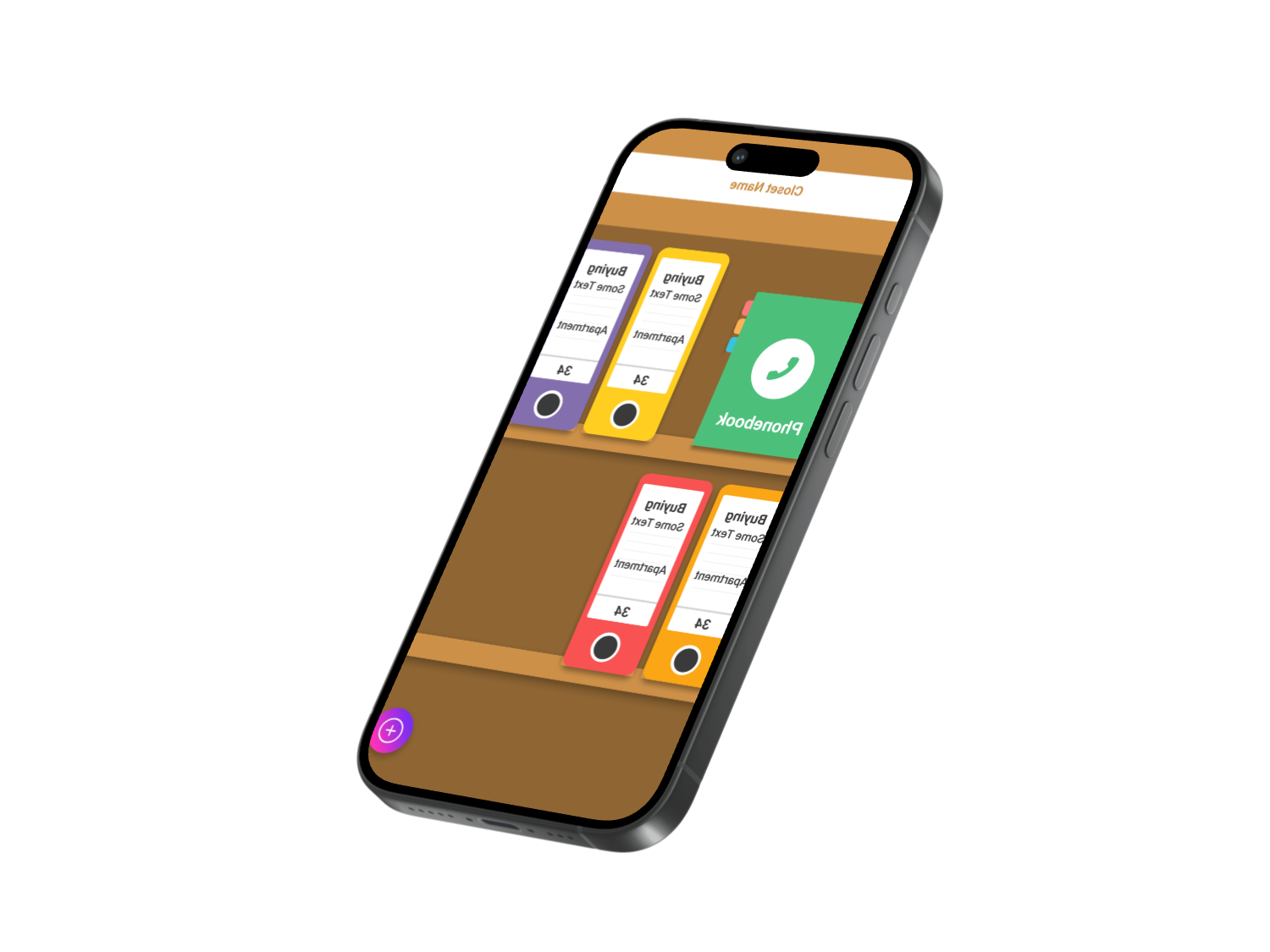
Mobile development refers to the process of creating mobile applications that run on mobile devices like smartphones and tablets. There are two main approaches to mobile development: native app development and hybrid app development. Native app development involves building mobile apps for specific operating systems like iOS or Android using programming languages such as Swift or Java/Kotlin. These apps are designed to be fast, responsive, and provide a seamless user experience. Native apps can also access device-specific features, such as GPS, camera, and microphone, providing more functionality to users. Hybrid app development, on the other hand, involves building mobile apps using web technologies like HTML, CSS, and JavaScript, which can be used across multiple platforms. These apps are wrapped in a native container which allows them to be distributed through app stores like Google Play or Apple App Store. Hybrid apps can offer a faster development cycle and lower costs compared to native apps, but they may not provide the same level of performance or functionality as a native app. Mobile development requires a strong understanding of mobile app design principles, user experience, and mobile software architecture. Developers need to consider factors such as screen size, device compatibility, and network connectivity when designing and developing mobile apps.
Read more
Cloud info
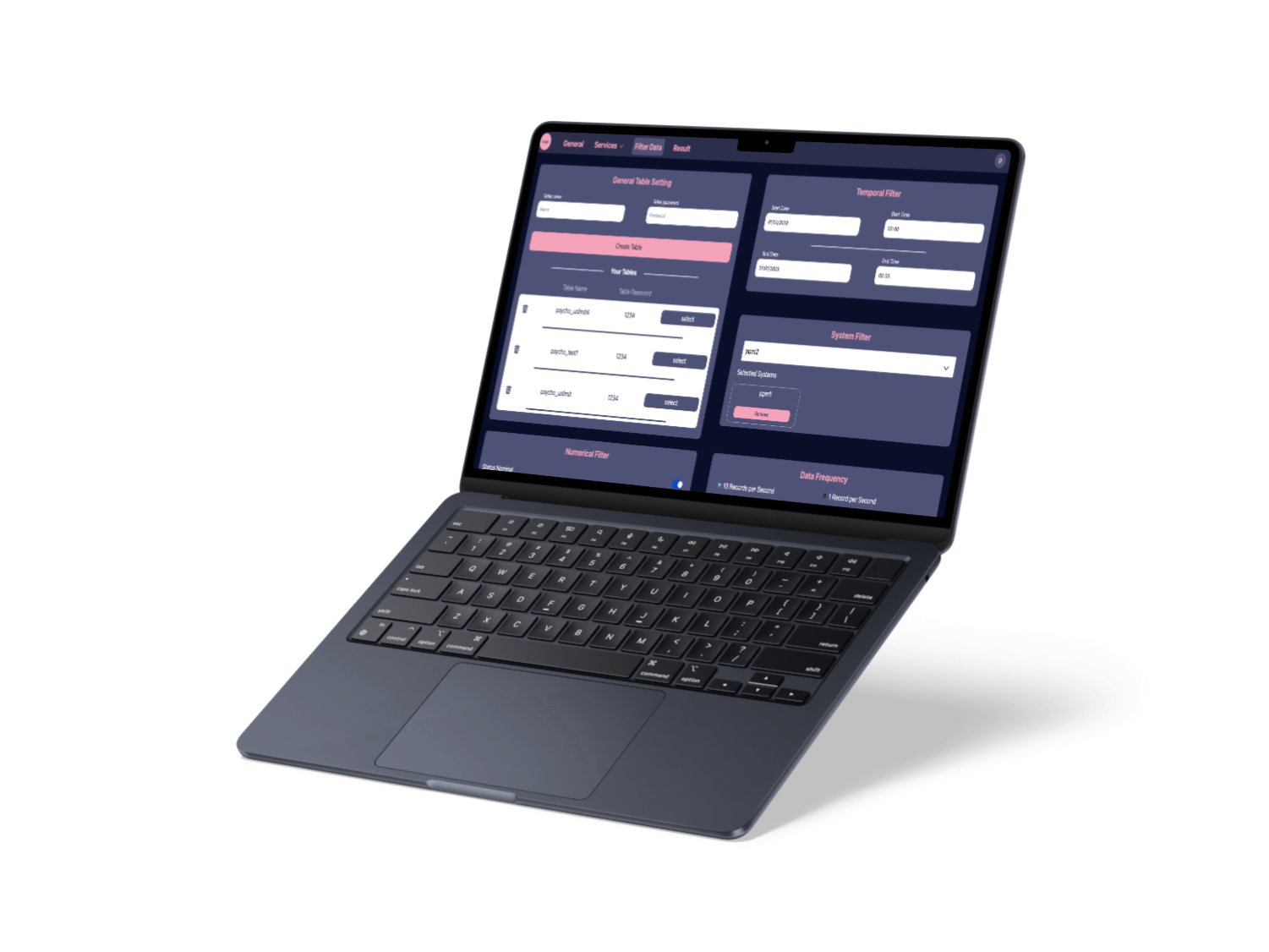
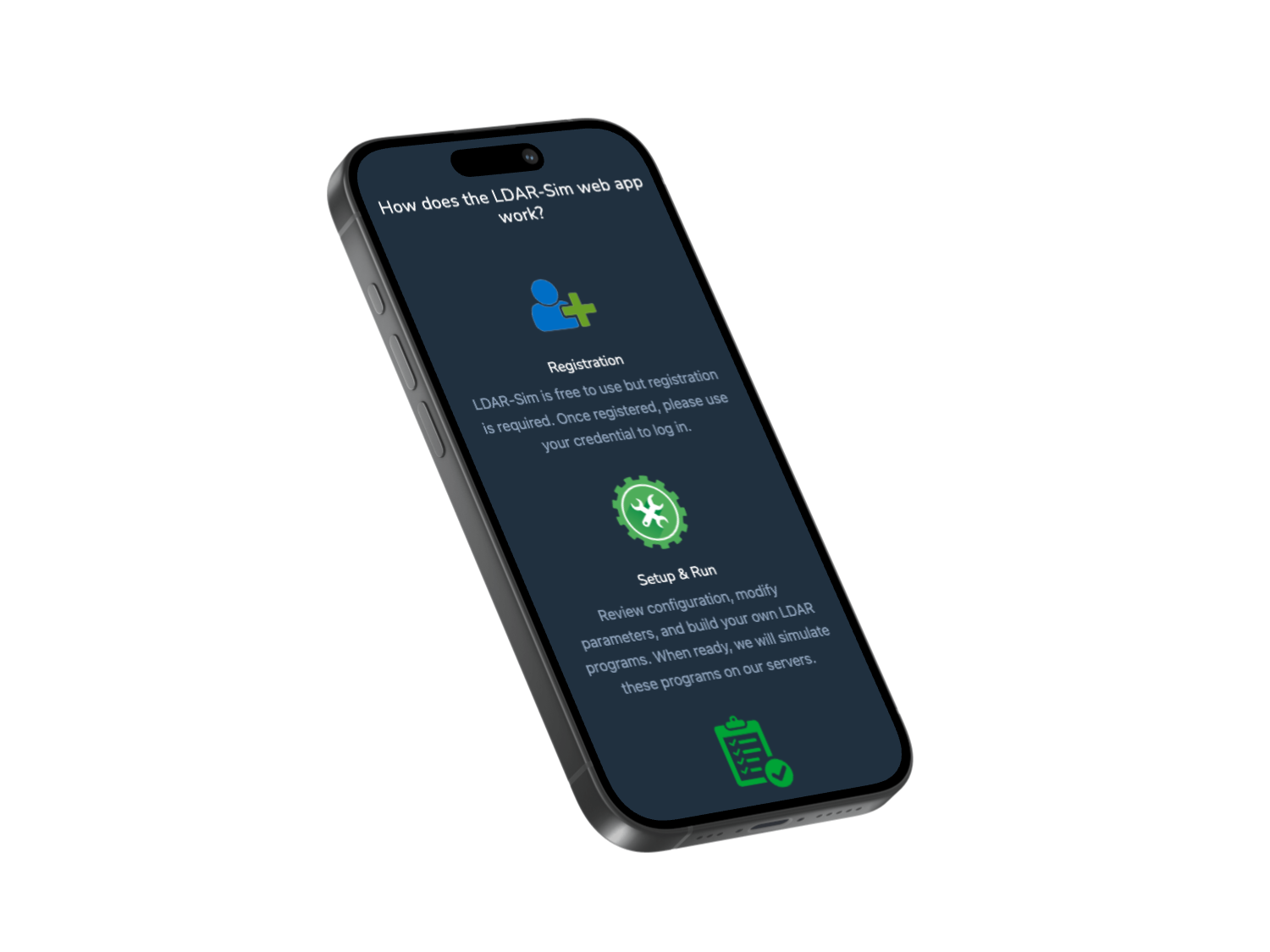
Cloud computing refers to the delivery of computing services, including servers, storage, databases, networking, software, and analytics, over the internet. Instead of buying, owning, and maintaining physical data centers and servers, companies can use cloud computing solutions to access these resources on-demand, paying only for what they use. Cloud computing offers several benefits, including: Scalability: Companies can scale their computing resources up or down as needed, without having to invest in additional hardware. Cost savings: By using cloud computing services, companies can reduce their infrastructure costs and pay only for what they use. Flexibility: Cloud computing allows companies to access their resources from anywhere with an internet connection, making it easier to deploy applications and collaborate remotely. Security: Cloud providers offer robust security measures to protect data from cyber threats and ensure compliance with regulations. There are three main types of cloud computing services: Infrastructure as a Service (IaaS), Platform as a Service (PaaS), and Software as a Service (SaaS). IaaS provides companies with access to computing infrastructure, such as virtual machines, servers, and storage, over the internet. PaaS provides a platform that companies can use to develop, run, and manage their own applications without the complexity of building and maintaining the underlying infrastructure. SaaS provides access to third-party software applications hosted by cloud providers, eliminating the need for companies to install and maintain their own software.
Read more
GIS
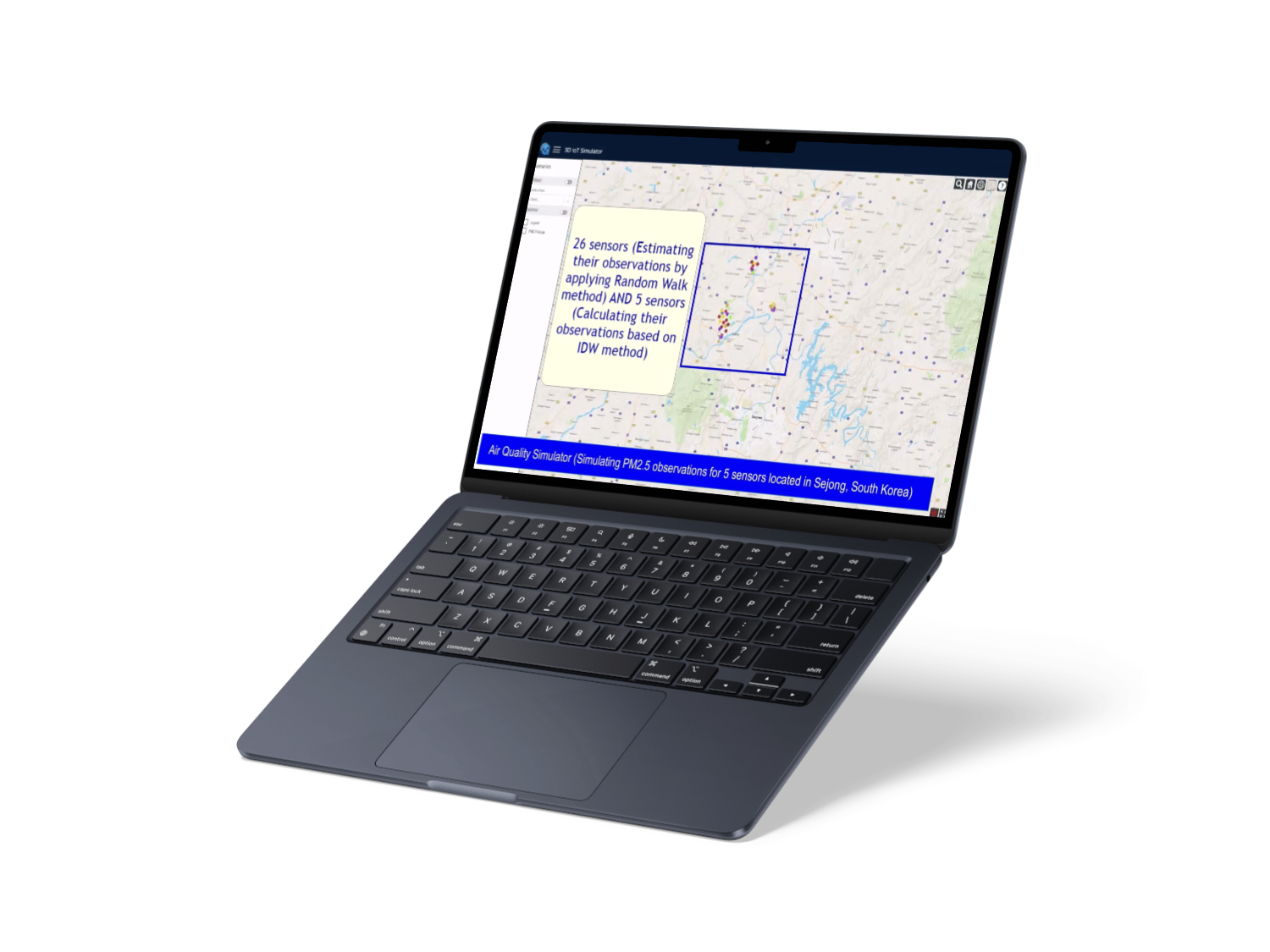
Welcome to webtum software company, where we specialize in harnessing the power of Location-based Services (LBS) and Indoor Positioning technologies to revolutionize the way businesses connect with their audiences. At the forefront of our expertise lie ArcGIS and QGIS, two industry-leading platforms that enable us to deliver cutting-edge solutions tailored to your specific needs.
Read more

GIS
Welcome to webtum software company, where we specialize in harnessing the power of Location-based Services (LBS) and Indoor Positioning technologies to revolutionize the way businesses connect with their audiences. At the forefront of our expertise lie ArcGIS and QGIS, two industry-leading platforms that enable us to deliver cutting-edge solutions tailored to your specific needs.
Read more
Webtum Software Services







Front-end Developer


SEO Marketing
Enhance the content, structure, and backlink profile of your website to attract clicks from users and receive a higher volume of free traffic.

Real time IOT
Dashboard
Dashboard
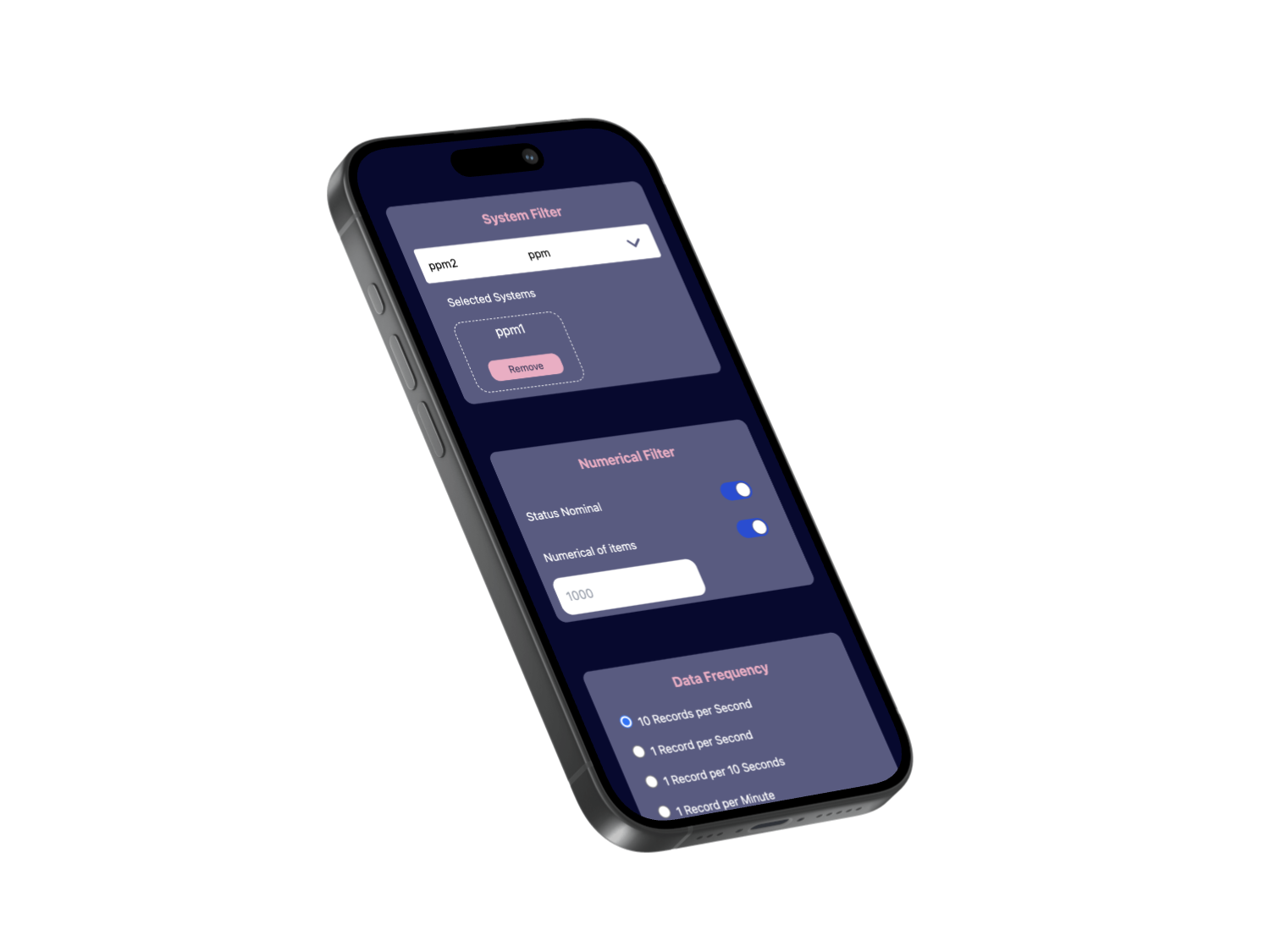
As an IoT plug-and-play solution, webtum softwarecan develop real-time data visualization dashboards for Internet of Things devices, so users can monitor, analyze, and interact with real-time data.
Website
DEVELOPMENT
DEVELOPMENT
Helping you to create content, professional development, testing, deployment, optimization, and maintenance of your fully customized website.

MOBILE
DEVELOPMENT
DEVELOPMENT
Webtum software team of experienced professionals can help you with UI/UX design, professional development, testing, deployment, and maintenance of mobile applications.

Indoor
Positioning
Positioning
In indoor environments, GPS signals are typically unavailable, but webtum software expertise in Bluetooth and Wi-Fi positioning can make up the difference.
Big Data
Management
Management
If you have a lot of data to manage, store, process, analyze, and make informed business decisions, webtum softwarecan help you with professional data models and data management systems.
What makes webtum software the best choice for your projects ?!
1
Reachability
2
Experienced Team
3
Agile-based project Development
4
find the best solutions for problems
5
Support
6
Free Consultation
1
Reachability
2
Experienced Team
3
Agile-based project Development
4
Curious to find the best solutions for your problems
5
Support
6
Free Consultation
Contact US
Have projects in mind?
Let’s work together
Let’s work together
Thank you for your interest in Webtum Software. Are you planning a
project? Would you like to work together or partner with us? Whether
you have a question about our services, need assistance with a
project, or simply want to say hello, we'd love to hear from you.


Business Hours
Monday - Friday: 9:00 AM - 5:00 PM (Mountain Standard Time)
Get in Touch
You can also fill out the form, and we'll get back to you as soon as
possible.


